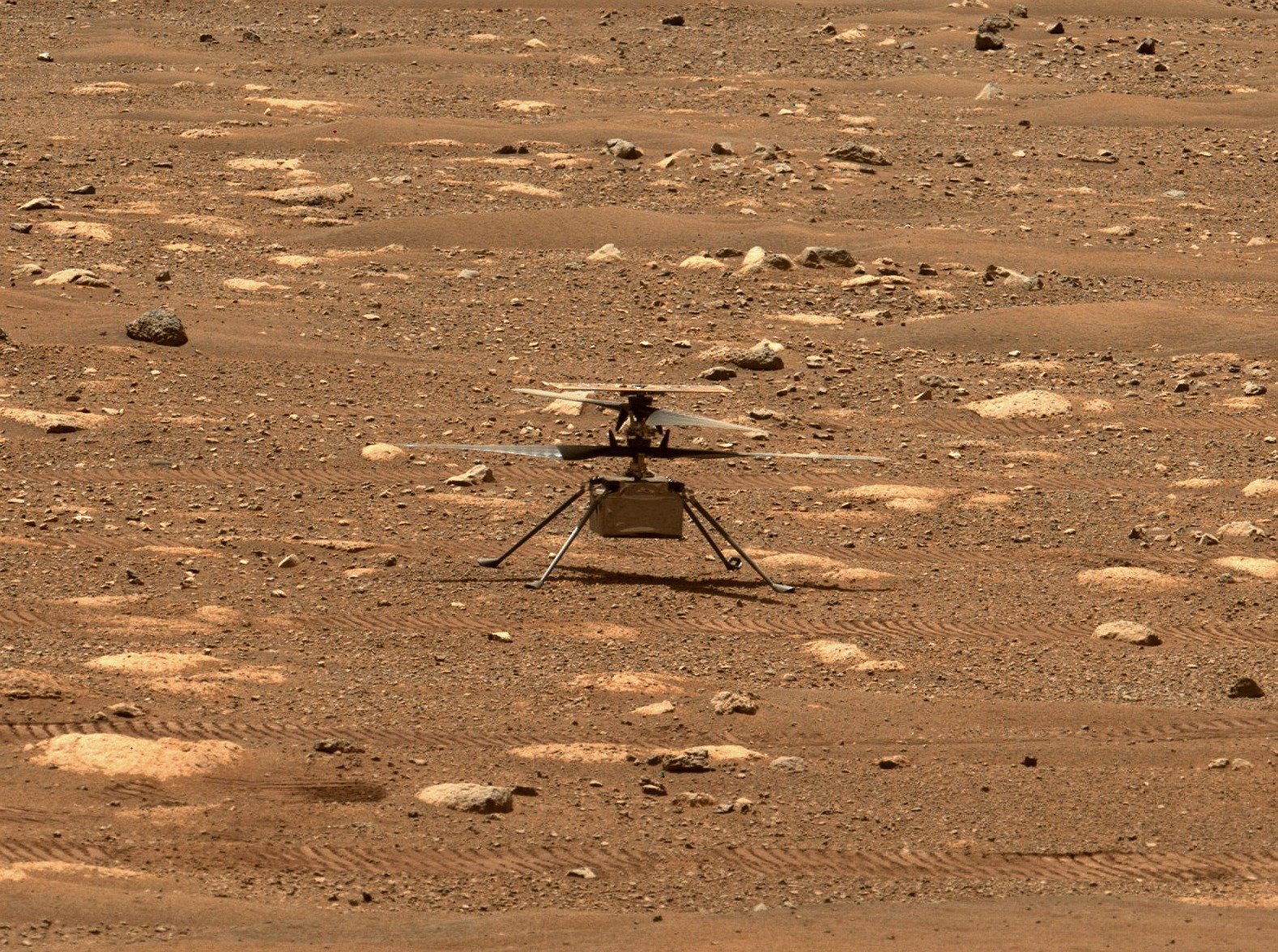
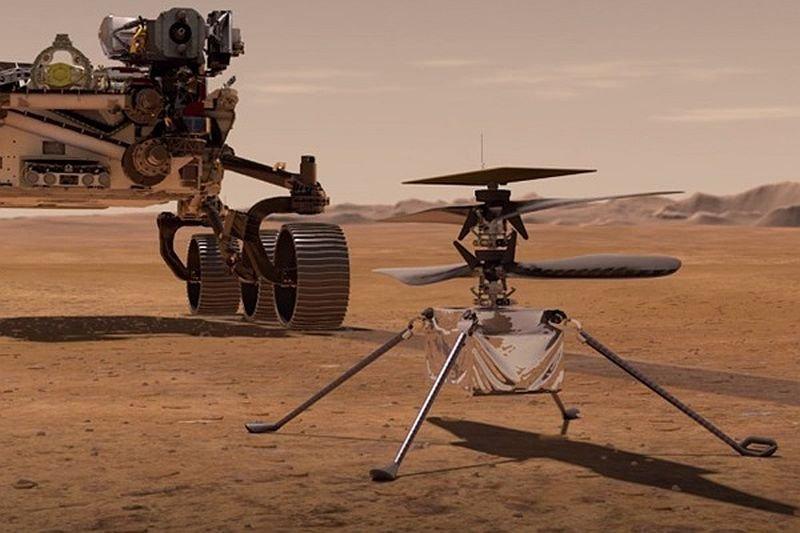
A small helicopter standing on the rust-coloured surface of Mars
Destination 02

Mars

The Red Planet, explored by NASA's robotic explorers, whose discoveries continue to reveal its ancient landscapes and mysteries.

The Red Planet – Mars

Four robotic explorers whose discoveries keep revealing the secrets of Mars.

No human has visited Mars yet, but the planet is already full of explorers.

Meet four of NASA's robotic pioneers: the Sojourner rover, the Viking landers, the InSight lander and the Ingenuity helicopter. Each one completed its mission, and each one changed what we know about the Red Planet.

Mission 01

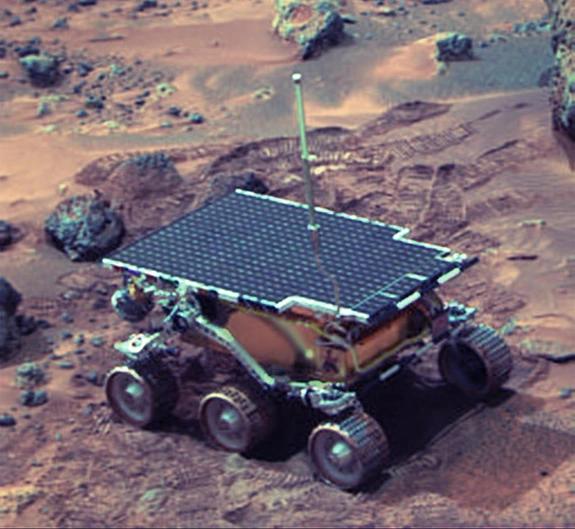
Sojourner Rover – The First Robotic Traveler

Its mission

Sojourner was the first successful mobile robotic rover deployed on Mars by NASA.

Its mission was to:

  • Explore the Martian surface.
  • Study rocks and soil.
  • Test robotic exploration technologies.
  • Collect scientific information about Mars.

Its journey

Sojourner traveled to Mars aboard the Mars Pathfinder spacecraft.

It landed on July 4, 1997, in the Ares Vallis region.

After landing, the rover rolled down a ramp and began exploring nearby rocks and soil.

It transmitted images and scientific information back to Earth.

The mission ended on September 27, 1997.

Its legacy

Sojourner demonstrated that small robotic vehicles could successfully explore Mars.

Its technology helped prepare NASA for more advanced Mars rovers.

It became an important pioneer in robotic planetary exploration.

Interactive question

What was Sojourner's main purpose?

Mission 02

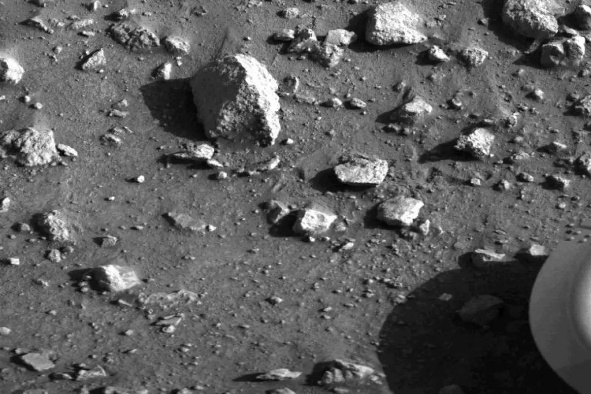
Viking 1 & 2 Landers – The First Successful American Mars Landers

Its mission

Viking 1 and Viking 2 were two NASA missions designed to explore Mars using orbiters and stationary landers.

Their objectives were to:

  • Photograph the Martian surface.
  • Analyze Martian soil.
  • Study the atmosphere and weather.
  • Search for possible signs of life.

Its journey

Viking 1 launched on August 20, 1975, and landed on Mars on July 20, 1976.

Viking 2 followed and landed on September 3, 1976.

Both landers conducted scientific experiments, collected soil samples and transmitted photographs and data to Earth.

Viking 1 continued operating until 1982, while Viking 2 stopped communicating in 1980.

Its legacy

The Viking missions greatly improved humanity's understanding of Mars.

They provided detailed photographs, analyzed Martian soil and investigated whether life could exist on the planet.

Their discoveries became an important foundation for later Mars exploration missions.

Interactive question

What were the Viking missions designed to investigate?

Mission 03

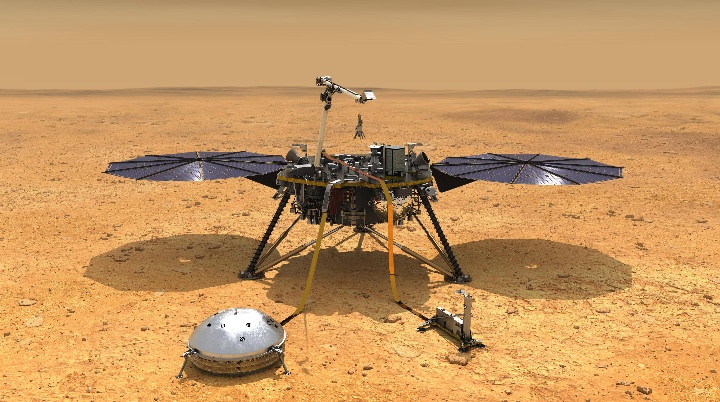
InSight Lander – Listening to the Heart of Mars

Its mission

InSight was a stationary NASA lander designed to study the interior structure of Mars.

Its main objectives were to:

  • Investigate the planet's internal structure.
  • Detect marsquakes.
  • Study heat movement beneath the surface.
  • Understand how rocky planets are formed.

Its journey

InSight launched on May 5, 2018, and landed on Mars on November 26, 2018, in Elysium Planitia.

Using its robotic arm, it placed scientific instruments on the Martian surface.

Its seismometer detected vibrations caused by marsquakes.

The mission officially ended on December 15, 2022, after dust accumulation reduced the energy produced by its solar panels.

Its legacy

InSight transformed our understanding of the internal structure of Mars.

It provided valuable information about marsquakes and the planet's interior.

Its findings continue helping scientists understand the formation and evolution of rocky planets.

Interactive question

What was InSight mainly designed to study?

Mission 04

Ingenuity Mars Helicopter – The First Flight on Another World

Its mission

Ingenuity was a small robotic helicopter developed by NASA to demonstrate that powered flight was possible on another planet.

Its objectives were to:

  • Test flight technology in the thin Martian atmosphere.
  • Demonstrate autonomous aerial navigation.
  • Capture images of Mars from above.
  • Explore new possibilities for future aerial exploration.

Its journey

Ingenuity traveled to Mars attached to NASA's Perseverance rover.

It landed on February 18, 2021, in Jezero Crater.

On April 19, 2021, it completed the first powered, controlled flight on another planet.

Originally designed for only five test flights, Ingenuity eventually completed 72 flights.

Its final flight took place on January 18, 2024. Damage to its rotor blades made further flights impossible.

NASA officially ended the mission on January 25, 2024.

Its legacy

Ingenuity made history by proving that powered, controlled flight was possible on another planet.

Its achievements opened new possibilities for future aerial exploration of Mars and other worlds.

It also helped scientists observe Martian terrain from above.

Interactive question

What made Ingenuity historically important?