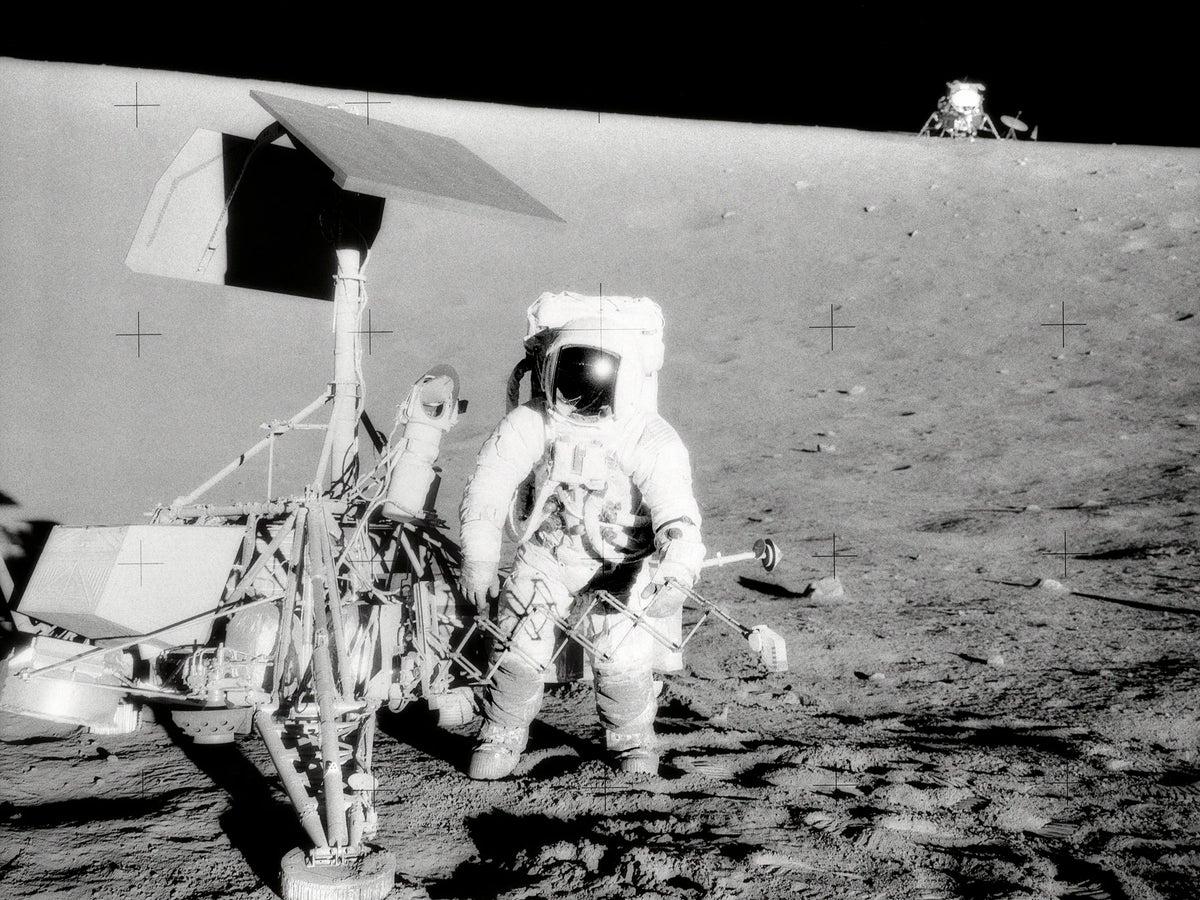
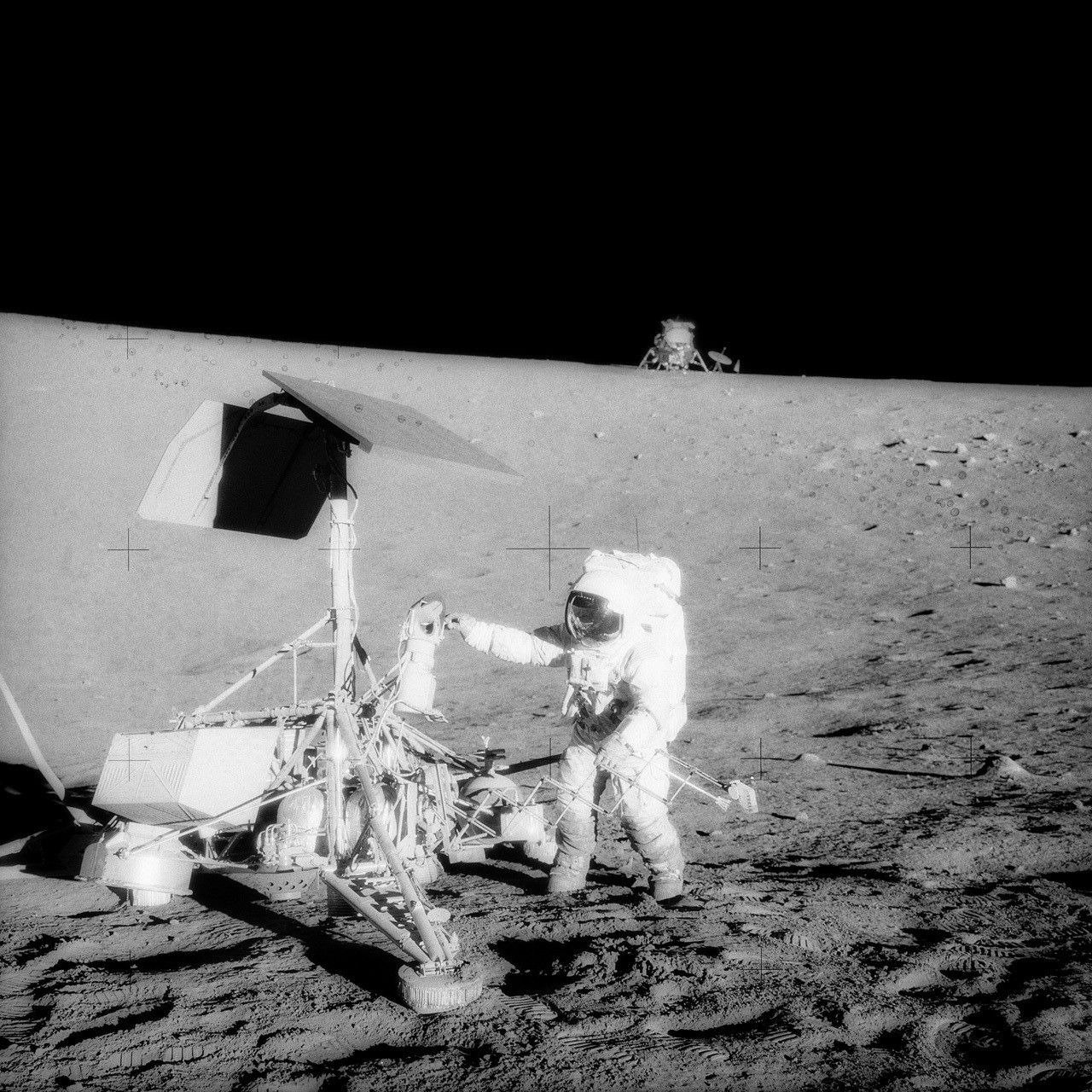
An astronaut standing beside a robotic probe on the lunar surface, with a lander on the horizon
Destination 01

The Moon

A quiet world filled with the history of human exploration, where NASA's abandoned machines helped uncover the secrets of the lunar surface.

The Moon

Four machines left behind on the lunar surface, and the stories they still tell.

The Moon holds the machines that helped humans take their first steps beyond Earth.

Meet four of them: the Apollo Lunar Modules, the Lunar Roving Vehicles, the ALSEP scientific packages and the Surveyor landers. Each one finished its mission, and each one is still there.

Mission 01

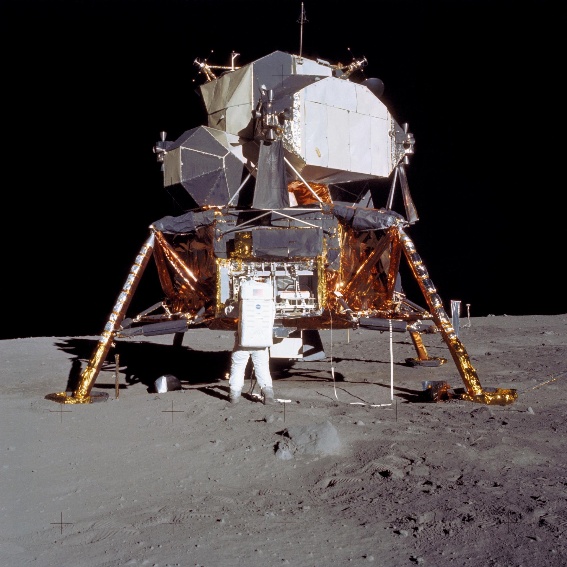
Apollo Lunar Modules – The First Human Footprints

Its mission

The Apollo Lunar Module was designed to carry astronauts from lunar orbit to the Moon's surface and bring them back to the Command Module.

It had two main parts:

  • Descent Stage: Helped the spacecraft land on the Moon.
  • Ascent Stage: Carried astronauts back into lunar orbit.

Its journey

On July 20, 1969, Apollo 11's Lunar Module, named Eagle, landed in the Sea of Tranquility.

Neil Armstrong and Buzz Aldrin became the first humans to walk on the Moon.

After completing their exploration, they used the ascent stage to return to lunar orbit, leaving the descent stage behind.

Its legacy

The descent stages of the successful Apollo lunar landing missions remain on the Moon.

They represent important historical evidence of humanity's first crewed lunar explorations.

Interactive question

Which part of the Lunar Module carried astronauts back into lunar orbit?

Mission 02

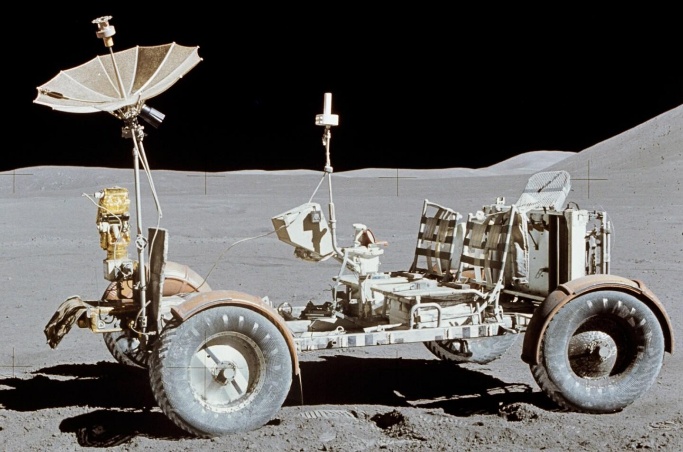
Lunar Roving Vehicles (LRVs) – The Moon Buggies

Its mission

The Lunar Roving Vehicle (LRV) was an electric vehicle designed to help astronauts explore larger areas of the Moon.

Its main purposes were to:

  • Transport astronauts across the lunar surface.
  • Carry scientific equipment.
  • Collect lunar rocks and soil samples.
  • Explore locations farther from the Lunar Module.

Its journey

Three Lunar Roving Vehicles were used during Apollo missions 15, 16 and 17 between 1971 and 1972.

  • Apollo 15: First mission to use a lunar rover.
  • Apollo 16: Continued exploring the lunar highlands.
  • Apollo 17: Used the final lunar rover of the Apollo program.

After each mission, the astronauts returned to Earth, leaving the vehicles on the Moon.

Its legacy

All three lunar rovers remain on the Moon.

They expanded the distances astronauts could explore and helped scientists collect more geological samples.

Interactive question

How many Lunar Roving Vehicles were used during the Apollo missions?

ALSEP Scientific Packages – The Silent Scientists

NASA source: ALSEP – NSSDC

Mission 03

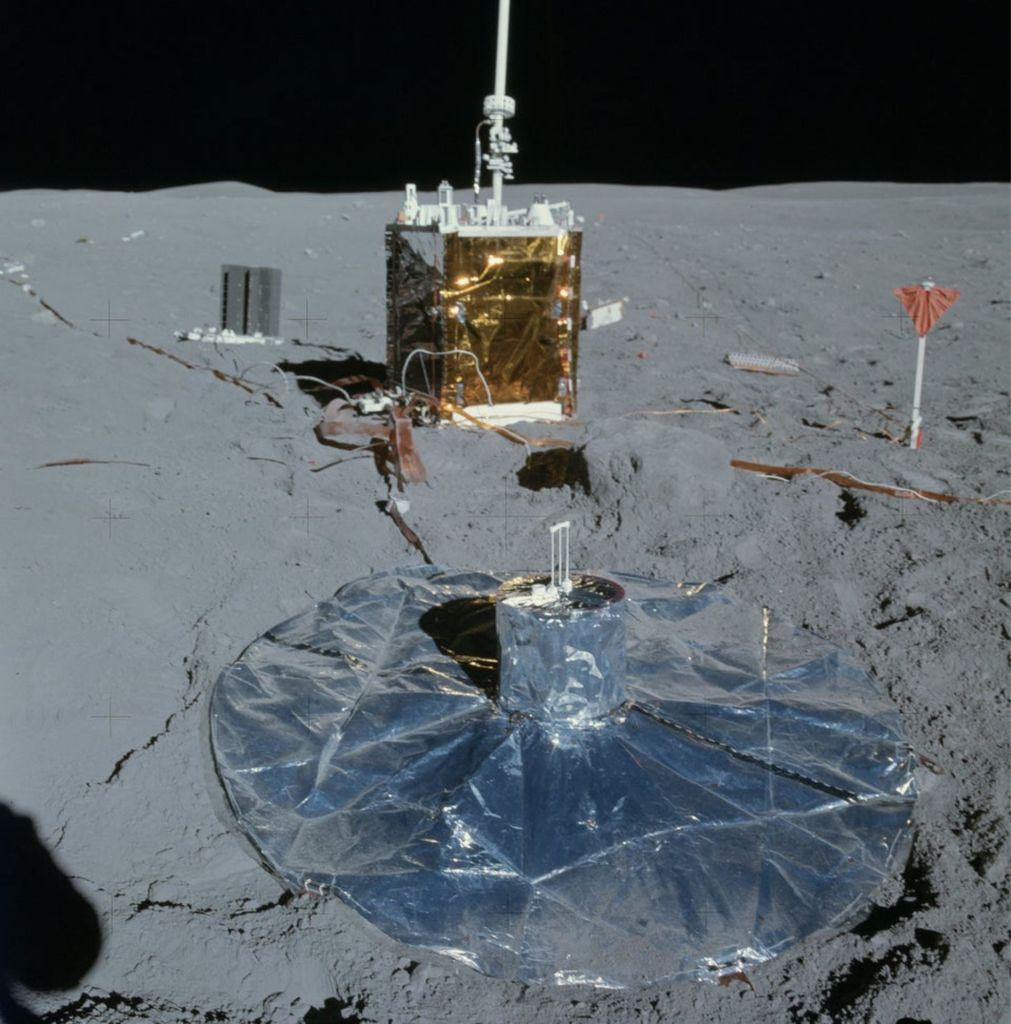
ALSEP Scientific Packages – The Silent Scientists

Its mission

The Apollo Lunar Surface Experiments Package (ALSEP) was a collection of scientific instruments installed on the Moon by Apollo astronauts.

Its purpose was to continue studying the lunar environment after astronauts returned to Earth.

The instruments included:

  • Seismometers: To detect movements and vibrations on the Moon.
  • Heat Flow Experiments: To study heat beneath the lunar surface.
  • Magnetometers: To investigate the Moon's magnetic environment.

Its journey

The first ALSEP station was installed by Apollo 12 in November 1969.

Astronauts from Apollo missions 12, 14, 15, 16 and 17 installed scientific instruments at different lunar locations.

The stations collected data and transmitted information to Earth.

NASA officially ended the ALSEP program on September 30, 1977.

Its legacy

ALSEP helped scientists understand the Moon's internal structure, seismic activity and geological environment.

These instruments demonstrated how scientific equipment could explore another world without requiring a permanent human presence.

Interactive question

What was the main purpose of ALSEP?

Mission 04

Surveyor Landers – The Pioneers of the Moon

Its mission

The Surveyor program was developed to demonstrate that spacecraft could land safely on the Moon.

Its objectives were to:

  • Test soft-landing technologies.
  • Photograph the lunar surface.
  • Study the properties of lunar soil.
  • Help prepare for future Apollo astronaut missions.

Its journey

NASA launched seven Surveyor spacecraft between 1966 and 1968.

Surveyor 3 launched on April 17, 1967, and successfully landed on the Moon on April 20, 1967.

It used a television camera and a surface sampler to examine the lunar environment.

Its legacy

The Surveyor program provided important information for the Apollo missions.

It demonstrated that robotic spacecraft could achieve controlled landings and examine the lunar surface.

Surveyor 3 also became a historic meeting point between robotic and human exploration.

Interactive question

Why was the Surveyor program important?