Four machines left behind on the lunar surface, and the stories they still tell.
The Moon holds the machines that helped humans take their first steps beyond Earth.
Meet four of them: the Apollo Lunar Modules, the Lunar Roving Vehicles, the ALSEP scientific packages and the Surveyor landers. Each one finished its mission, and each one is still there.
Gallery
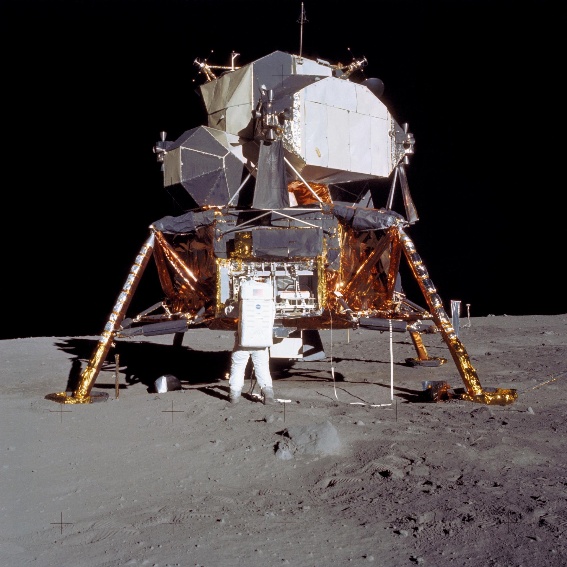
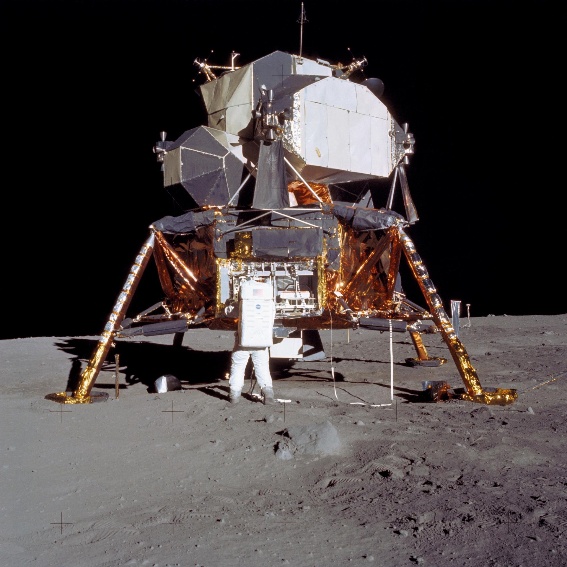
The Apollo Lunar Module was designed to carry astronauts from lunar orbit to the Moon's surface and bring them back to the Command Module.
It had two main parts: - Descent Stage: Helped the spacecraft land on the Moon. - Ascent Stage: Carried astronauts back into lunar orbit.
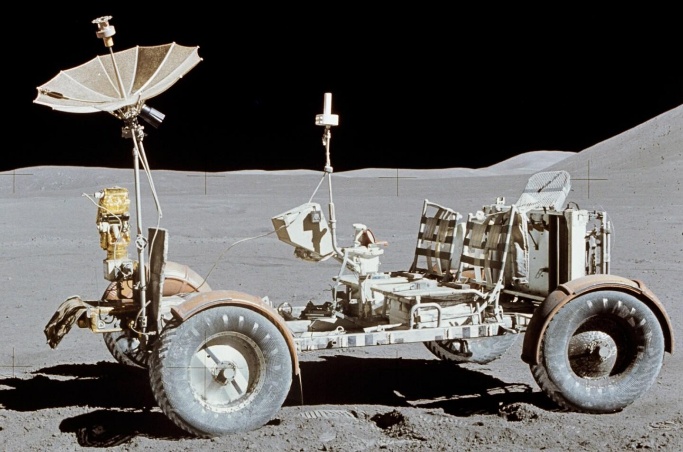
The Lunar Roving Vehicle (LRV) was an electric vehicle designed to help astronauts explore larger areas of the Moon.
Its main purposes were to: - Transport astronauts across the lunar surface. - Carry scientific equipment. - Collect lunar rocks and soil samples. - Explore locations farther from the Lunar Module.
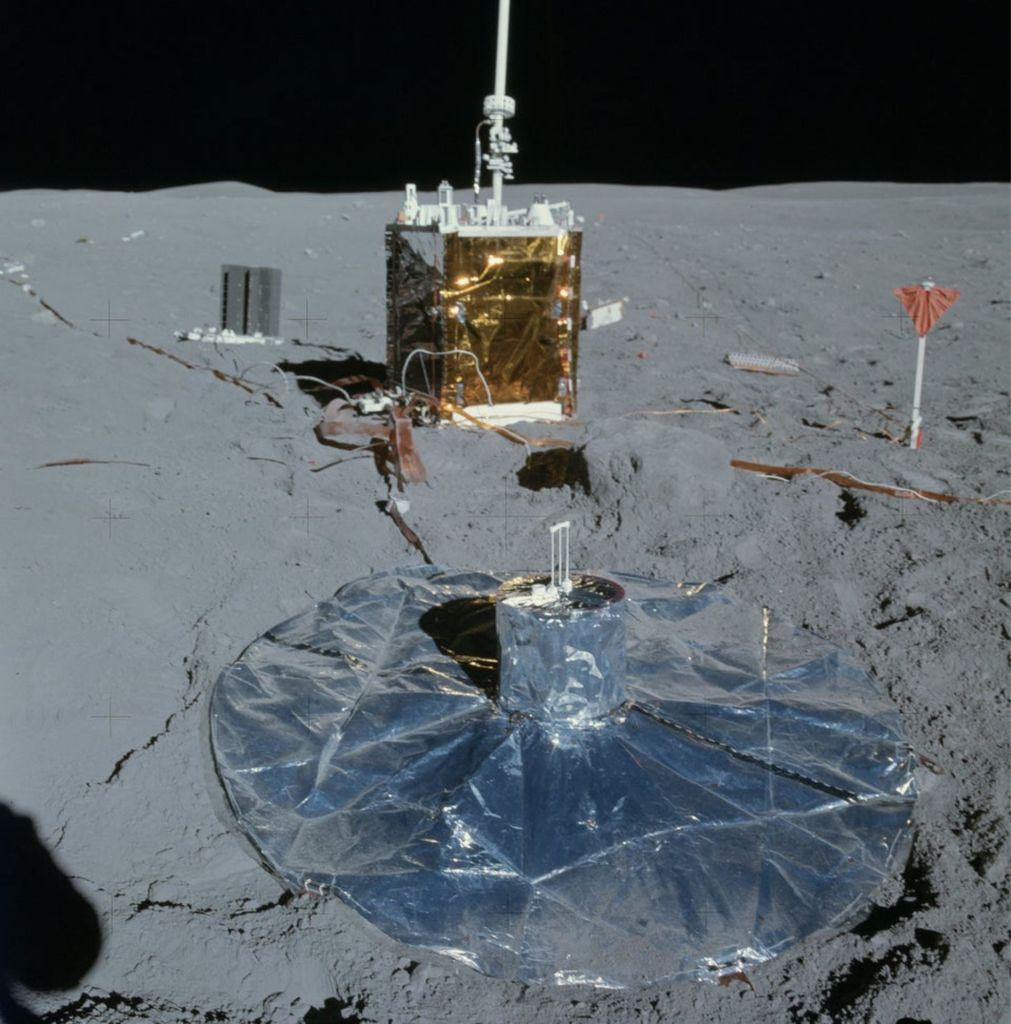
The Apollo Lunar Surface Experiments Package (ALSEP) was a collection of scientific instruments installed on the Moon by Apollo astronauts.
Its purpose was to continue studying the lunar environment after astronauts returned to Earth.
The instruments included: - Seismometers: To detect movements and vibrations on the Moon. - Heat Flow Experiments: To study heat beneath the lunar surface. - Magnetometers: To investigate the Moon's magnetic environment.
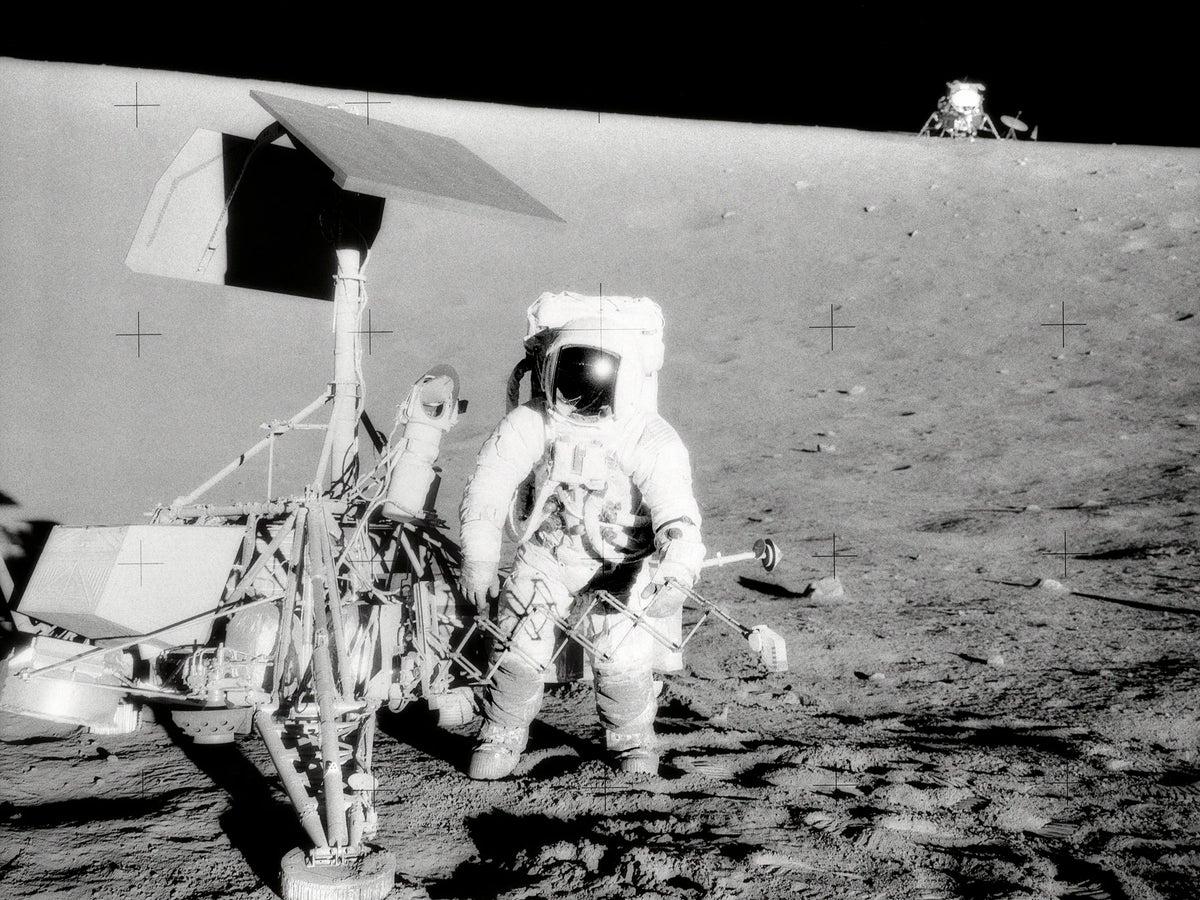
The Surveyor program was developed to demonstrate that spacecraft could land safely on the Moon.
Its objectives were to: - Test soft-landing technologies. - Photograph the lunar surface. - Study the properties of lunar soil. - Help prepare for future Apollo astronaut missions.